

Sport is a brutal, beautiful game of inches.
When Blue Jay’s Isiah Kiner-Falefa slid into home plate in the bottom of the ninth inning, less than 5 inches separated his team from a championship.
When Alexander Munyao crossed the NYC Marathon finish line, throwing his hands up in celebration, he came 0.03 seconds short of taking the win against Benson Kipruto.
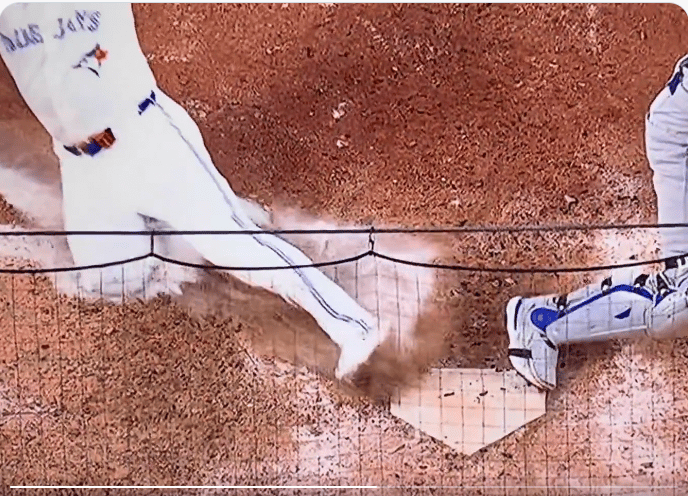
This is what makes sport so compelling: its magic is its difficulty. The entire outcome hinges on these fractional moments.
But for the athlete, this is where the psychological torture begins. The mind immediately fires up the “what if” loop, replaying every tiny decision that could have changed the result.
Looking back, you can always find the “error.” Chances are Toronto players replayed every missed opportunity in their heads for days. “What if I took a slightly bigger lead off? What if I threw that pitch just a bit more inside?” And Munyao is thinking about every single turn he could have cut just a bit shorter, or if he only leaned at the tape.
I know. I’ve been there on multiple occasions. My senior year of college, I missed making nationals by 0.06 seconds in a 10k race. I can still picture the turn I took a bit wide because I zoned out for just a moment. I still remember the side stitch I got with a mile to go, which made me just a touch more hesitant instead of closing the gap on my competitors. When we have the ultimate close but not cigar, our mind drifts to what ifs.
But you’re looking back with a clear mind, absent the friction of the moment. In the arena, you are battling overwhelming stress, fatigue, pressure, and a chaotic environment. Perfection isn’t just unlikely; it’s impossible.
We saw it on that same play at the plate in the World Series. The only reason it was close to begin with is because the Dodgers second baseman, Miguel Rojas, stumbled on a routine play. If he fielded the ball cleanly, like he does 99 percent of the time, those inches become feet and no one is faulting Kiner-Falefa.
The point is this: it’s easy to beat yourself up, but that feeling of despair, of your mind racing on what if’s, is the magic and soul-crushing cost of being in the arena. The joy and intensity of giving something your all doesn’t come without risking the potential downfall.
We could see it in another disappointment. After closer Jeff Hoffman gave up the crucial game tying home run in the top of the 9th inning, he was utterly devastated, holding the burden of an entire team, “I’ve cost everybody... a ring”
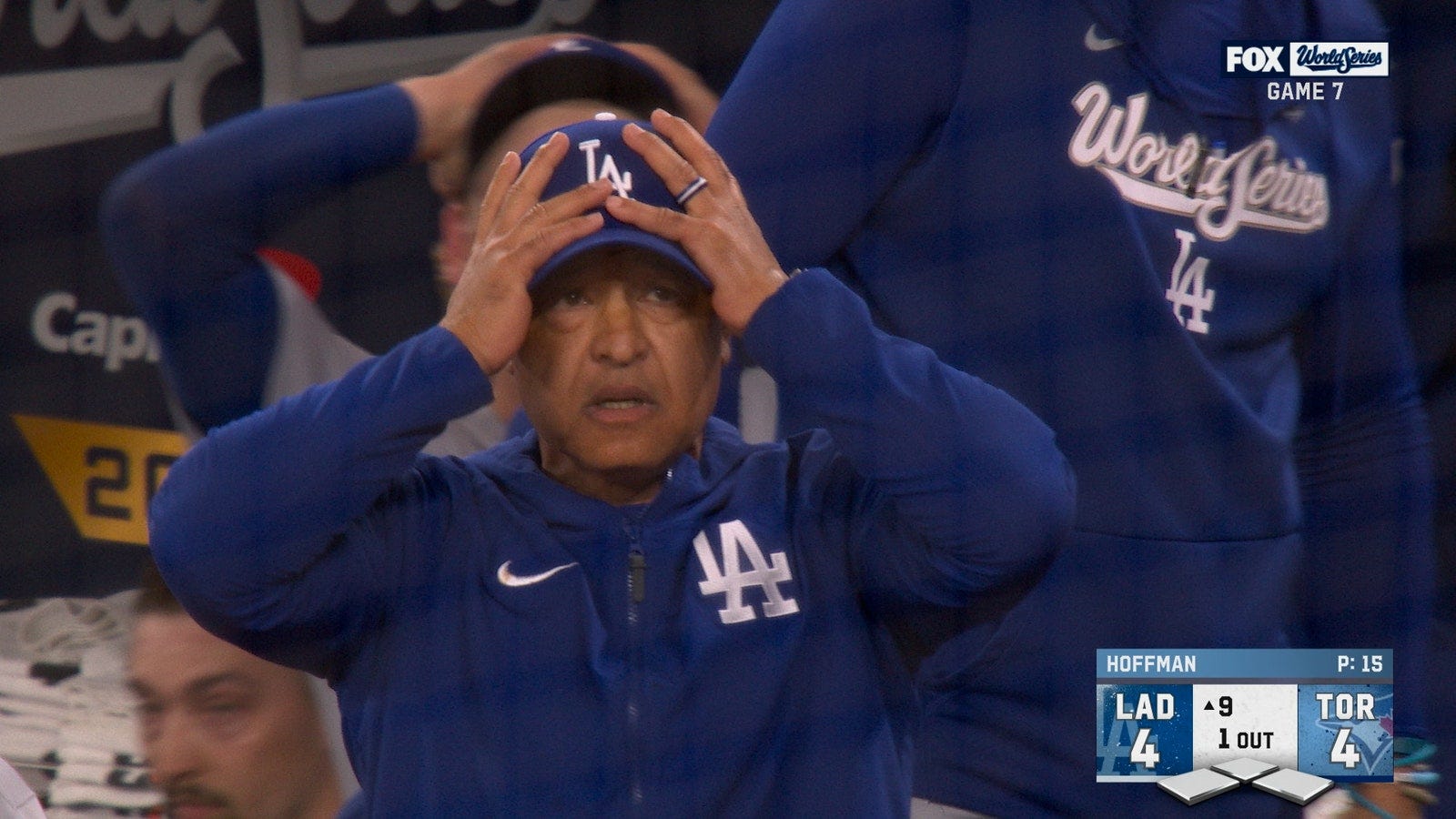
But there was his teammate, Ernie Clement, telling anyone who would listen after the game, “I would go to war with Jeff Hoffman.”
This is elite culture in action: acknowledging the profound pain of failure without assigning blame, and reinforcing belonging over outcomes. You share the load...in the good times and the bad.
In a world of filters, spin, and curated narratives, sport is stubbornly real. You can’t fake it. The scoreboard doesn’t care about your “personal brand.” Physics doesn’t care about your story.
You get the genuinely raw emotions of joy and heartbreak. Grown men and women shedding tears. Teammates having each others’ backs. A group of people who come together and understand what it’s like to really go for something, risking falling short and heartbreak for a temporary moment of exhilaration.
Being in the arena gives you an honest place to practice courage, humility, and awe. Sure, you can find it in sport. But you can find it in so many other arenas as well. It’s about laying it on the line for something you care about, where you can’t hide behind chattering explanations or social media hot takes.
At its core, true excellence—in sport and in life—is an utterly human endeavor.
You dream. You practice. You prepare. You stay ready. Sometimes the world won’t line up the way you want it to. That doesn’t mean you shrink. It means you adapt, seize the moment, give what you can, and let it rip.
-Steve
This is so true. I am 50 years old and my brain still re-broadcasts near misses from baseball games in high school and college. Now I'm a dad watching my own sons, and I've come to appreciate the cross country and track competitions, which are so painfully objective. No complaints about playing time and bad calls or teammates' errors. While I appreciate the complexity and strategy of the "ball sports," the pure competition of just running faster is amazing to watch.
Thanks for this, Steve.
I often pause and look back at my successes, my wins, my personal bests — and say a big, loud THANK YOU.
What if I’d missed that turn on the trail? What if someone smashed my goggles in a triathlon?
Success isn’t final. Failure isn’t fatal.
What really matters is the courage to keep going — in both directions.